


Healthy lifestyles for youth – a practical guide for teenagers
Small steps. Big change. Our way.
An honest, practical guide from a young person to young people — about movement, sleep, nutrition, mental health, and self-awareness. Written by a 15-year-old who knows what this life actually looks like.
Not rules — choices
Is your head sometimes full of confusion about what the "right" teenage life is supposed to look like? On social media, everyone else's life seems perfect — what to eat, how much to exercise, how to sleep.
This book doesn't give you rules. It helps you find your own small daily steps that add up to a big change — your way.
Underline things, write in the margins, colour in the illustrations. Make this book completely your own.
"Small steps. Big change. Our way."
— Sofia Salina Haugas
Eight topics, one goal
Every chapter is honest and practical — not a lecture, but a conversation.
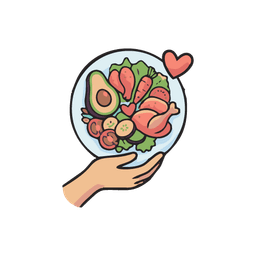
Nutrition
We talk about real eating, not diets. French fries are okay too.
Social health
Stress, pressure, social media comparison. How to keep your head clear.
Rest & sleep
Why is sleep your secret superpower? And how does your phone really affect your sleep — honestly.
Sport & movement
Movement doesn't have to be hard. Together we find ways that actually fit into your life.
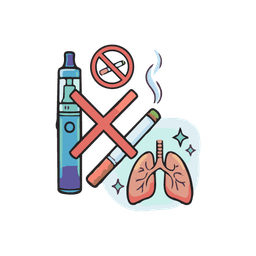
Nicotine & drugs
Honest facts about nicotine and drugs — without lectures.
Eating disorders
Opening a topic that doesn't get talked about enough — with care and honesty.
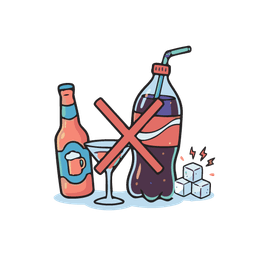
Alcohol & sugary drinks
What these drinks actually do to your body — in a language teens understand.
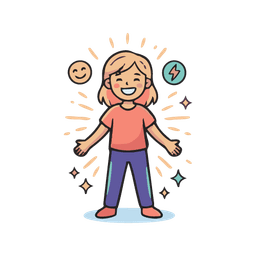
Wellbeing & mood
How to understand your feelings and maintain a good mood — every day.
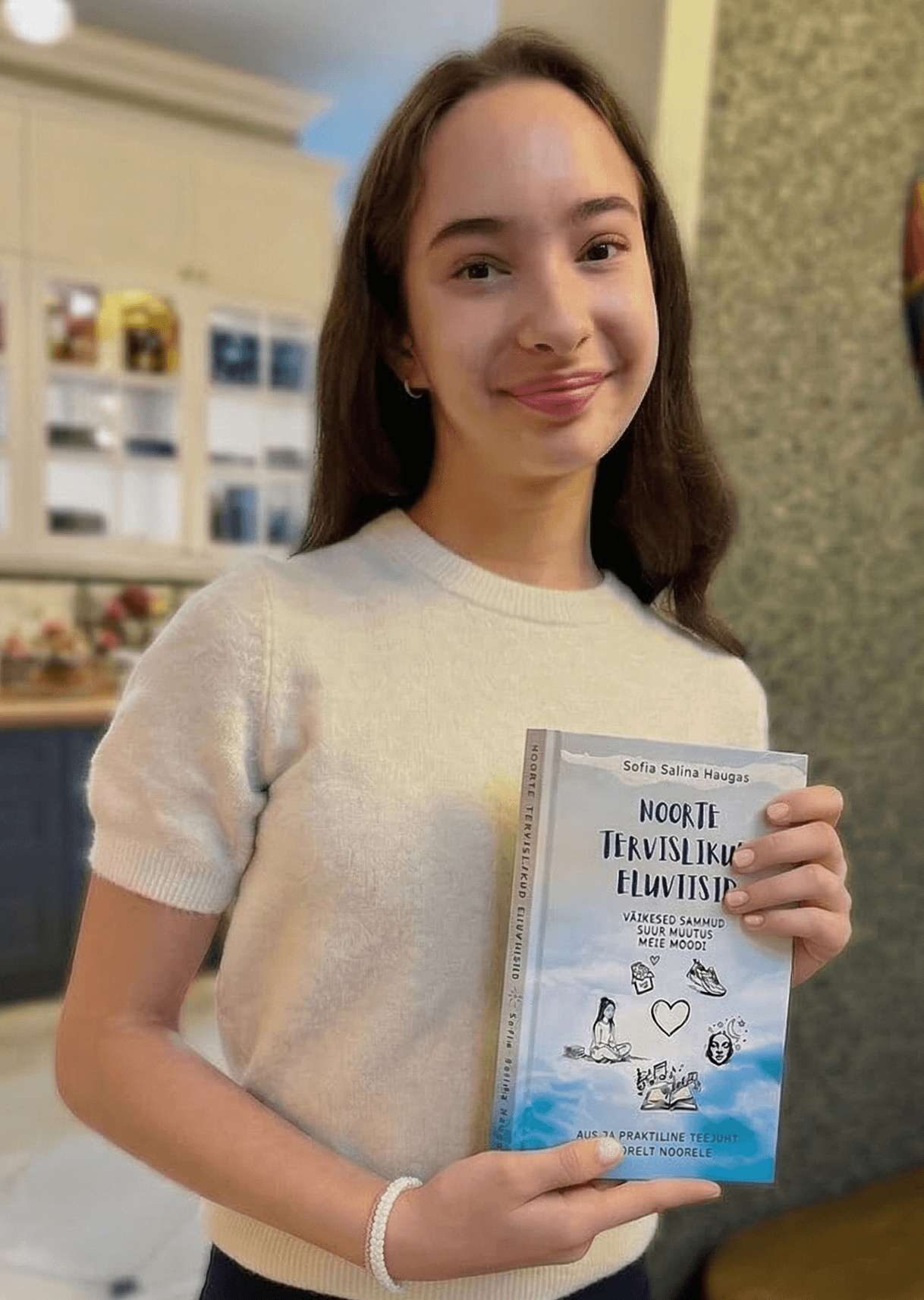
Hi, I'm Sofia Salina
I'm Sofia Salina (15 years old) and I'm not perfect. I have days where french fries beat salad and phone screen beats bedtime. But I've learned that healthy living doesn't mean rigidly following rules — it means listening to your body and mind.
I wrote this book because I wanted to share knowledge that helps you make more conscious choices. And in a language that teenagers actually speak — honestly, practically, for real.
Some thoughts...
Healthy living doesn't mean rigidly following rules — it means listening to your body and mind.
Small steps add up to a big change — but only when those steps are genuinely yours.
It's completely okay when things don't go to plan. Mistakes are part of the process, not the end of it.
What do young people ask most about their health?
Every day, young people search for answers about movement, sleep, nutrition, and screen time. Here are some of the most common questions and straightforward answers to help better understand how everyday habits affect wellbeing and energy.
How much should a teenager move each day?
Health organisations recommend that young people get at least 60 minutes of physical activity per day. This doesn't have to mean only gym workouts — walking, cycling, dancing, or active play all count. Regular movement helps improve physical fitness, supports mental wellbeing, and aids concentration.
Source: https://www.who.int/news-room/fact-sheets/detail/physical-activityWhy is sleep so important for teenagers?
Teenagers typically need 8–10 hours of sleep per night. During sleep the brain recovers, knowledge learned during the day is consolidated, and hormones that affect energy and mood are regulated. When sleep is cut short, concentration, learning, and overall wellbeing often suffer.
Source: https://www.sleepfoundation.org/teens-and-sleepHow much screen time is healthy?
Many experts recommend keeping recreational screen time under 2 hours per day. Longer screen time can affect sleep, reduce physical activity, and increase fatigue. Balance comes when there is also time for movement, hobbies, and real-life socialising alongside screens.
Source: https://www.aap.org/en/patient-care/media-and-childrenWhat kind of eating gives young people more energy?
Energy stays more stable when you eat regularly and varied meals. Meals that include wholegrains, fruit, vegetables, protein, and healthy fats help keep energy levels steady. Very sugary snacks give a quick energy boost, but a rapid drop in energy often follows.
Source: https://www.hsph.harvard.edu/nutritionsourceThese topics and many more are covered in the book "Healthy Lifestyles for Youth". It explains in simple, accessible language how small everyday steps can bring your wellbeing and habits into balance.
Pre-order the book
Fill in the form and we will be in touch when the book is available.